How Long Do Leftovers Actually Last? (And What to Do With Them)
Most cooked leftovers keep three to four days in the fridge, get refrigerated within two hours, and reheat to 165°F — the USDA numbers, why rice is its own case, and 32 recipes built on already-cooked food.

Most cooked leftovers keep three to four days in the refrigerator, need to be in there within two hours of coming off the heat, and should be reheated to 165°F. Those three numbers come from USDA guidance and cover almost every container in your fridge right now. Everything else is detail.
The detail is worth knowing, though, because the part people get wrong isn't the four days — it's the two hours at the start, which quietly eats the shelf life before the food ever gets cold.
The four numbers: 3–4 days in the fridge · 2 hours on the counter (1 hour above 90°F) · 165°F when reheating · 40°F or below in the fridge, 0°F in the freezer.
The limits, in one table
| Situation | Limit | Why |
|---|---|---|
| Cooked leftovers, refrigerated | 3–4 days | Spoilage and pathogen growth continue slowly even at 40°F |
| Food sitting out at room temperature | 2 hours | 40°F–140°F is the range where bacteria multiply fastest |
| Food sitting out above 90°F | 1 hour | Hot cars, patios, and picnics accelerate the same process |
| Reheating anything | 165°F throughout | Soups and sauces should reach a rolling boil |
| Frozen at 0°F | Safe indefinitely | Quality — not safety — is what fades, typically after 2–6 months |
| Thawing | Fridge, cold water, or microwave | Never on the counter: the outside warms into the danger zone while the middle is still frozen |
Source: USDA Food Safety and Inspection Service and FoodSafety.gov.
The clock starts when the food comes off the heat
This is the rule that costs people a day of shelf life. The two-hour window is cumulative and it starts at the stove — not when dinner ends, not when the pot feels cool. A chili that sat out through dinner and a movie has spent most of its allowance before it ever saw the fridge.
Two habits fix it. First, put leftovers away while you're still clearing the table, not after. Second, cool them in shallow containers rather than the pot they were cooked in: a deep pot of stew can stay warm in the middle for hours, which is exactly the temperature range you're trying to get out of. Splitting a batch across two flat containers cools it in a fraction of the time, and modern refrigerators are built to take warm food.
Reheating: 165°F, and the microwave problem
Reheat until the food is 165°F all the way through; bring soups, sauces, and gravies to a rolling boil. The complication is that microwaves heat unevenly — they leave cold pockets that never got anywhere near 165°F. Cover the dish so it steams, stir or rotate halfway through, and let it stand for a minute or two afterwards so the heat evens out. If you own a probe thermometer, this is the other thing it's for.
One more rule that surprises people: reheat leftovers once. Each cool-down and warm-up cycle is another trip through the danger zone, so take out the portion you're going to eat and leave the rest cold.
Rice deserves its own paragraph
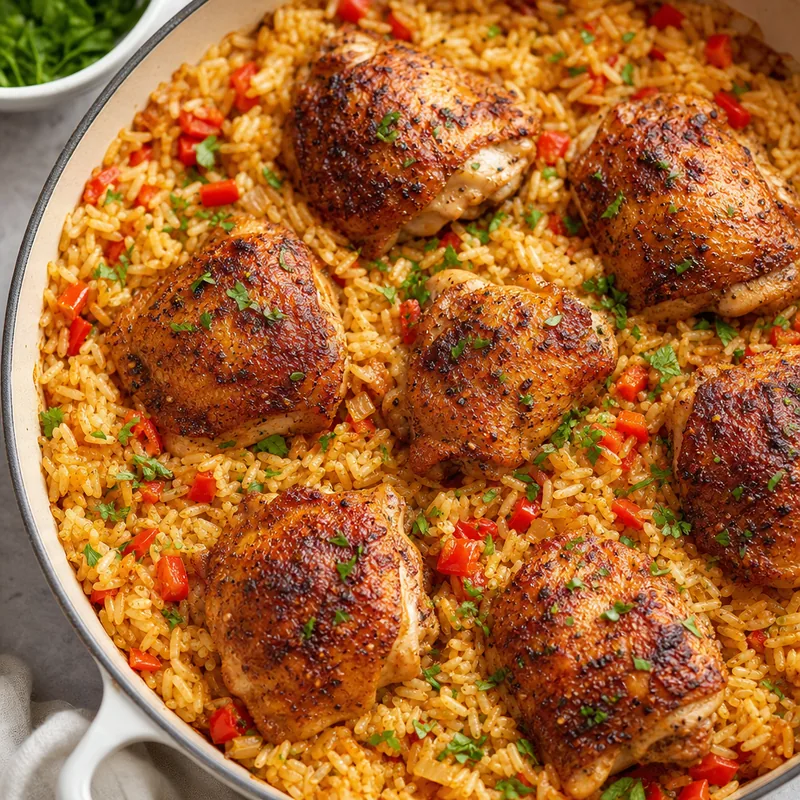
Cooked rice is the one staple where the usual advice isn't quite enough. Bacillus cereus spores survive boiling, and if rice sits at room temperature they wake up and multiply — which is why reheated rice occasionally makes people ill when reheated chicken doesn't. The fix is entirely in the cooling: spread the rice out or use a shallow container so it chills fast, refrigerate it within two hours, and use it within three to four days. Reheating it after that is fine; it's the hours on the counter that cause the trouble.
How to tell when it's gone
Not by smell. The organisms that cause foodborne illness generally don't announce themselves — food can look, smell, and taste completely normal and still make you sick, while a perfectly safe leftover can smell strange because of oxidation. Sniffing is a test for spoilage, not for safety.
So use the calendar instead: write the date on the container with a marker or a strip of tape the moment it goes in. It takes three seconds and it replaces the argument you'd otherwise have on Thursday. FoodSafety.gov's phrasing is the right default when the date is missing: when in doubt, throw it out.
Leftovers aren't an accident — recipes are built to produce them
Anychef catalog data: 1,138 of the 1,235 dinner recipes in our library serve four or more — 92% of them. If you cook for one or two, leftovers aren't a mistake you made, they're the designed output of nearly every recipe you'll ever open. The useful move is to plan the second meal instead of re-plating the first.
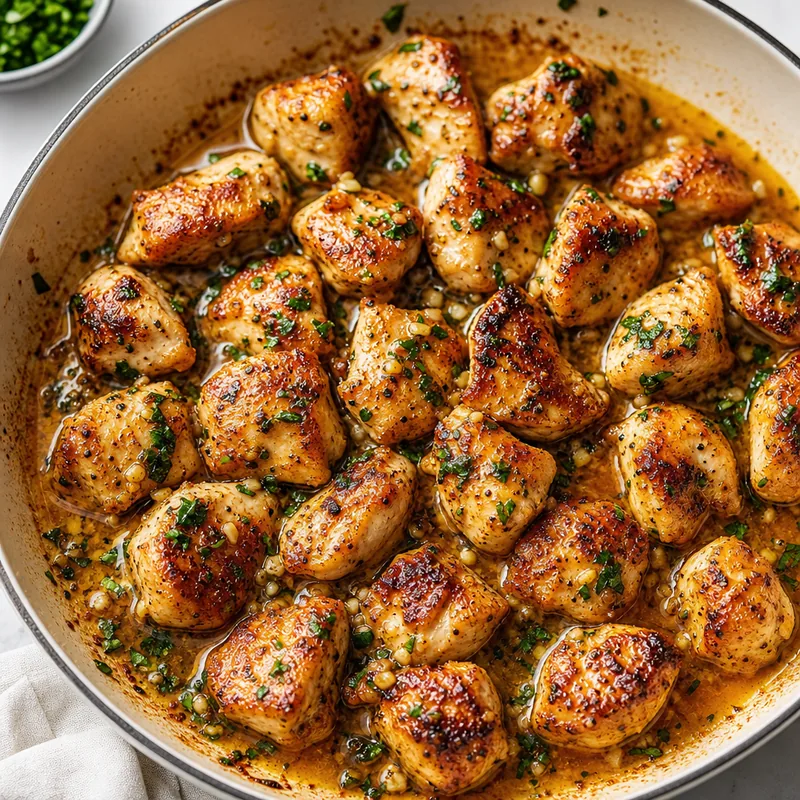
Cooked protein reheated straight is a sad plate; cooked protein used as an ingredient is a fast dinner. There are 32 recipes in the library built on already-cooked chicken, at a median of 21 minutes against 30 for dinner overall — because the slow part is already done.
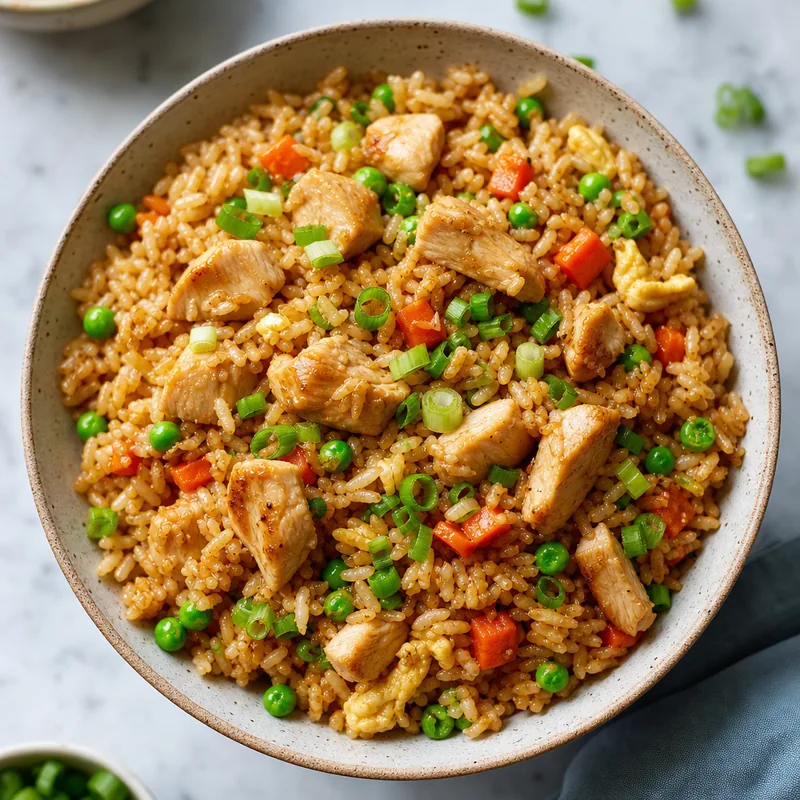
Chicken Fried Rice with Vegetables
18 min28g protein380 cal$1.90/serving
Golden-fried rice studded with chicken, carrots, peas, and scallions, finished with a drizzle of sesame oil and soy sauce.
View the full recipe →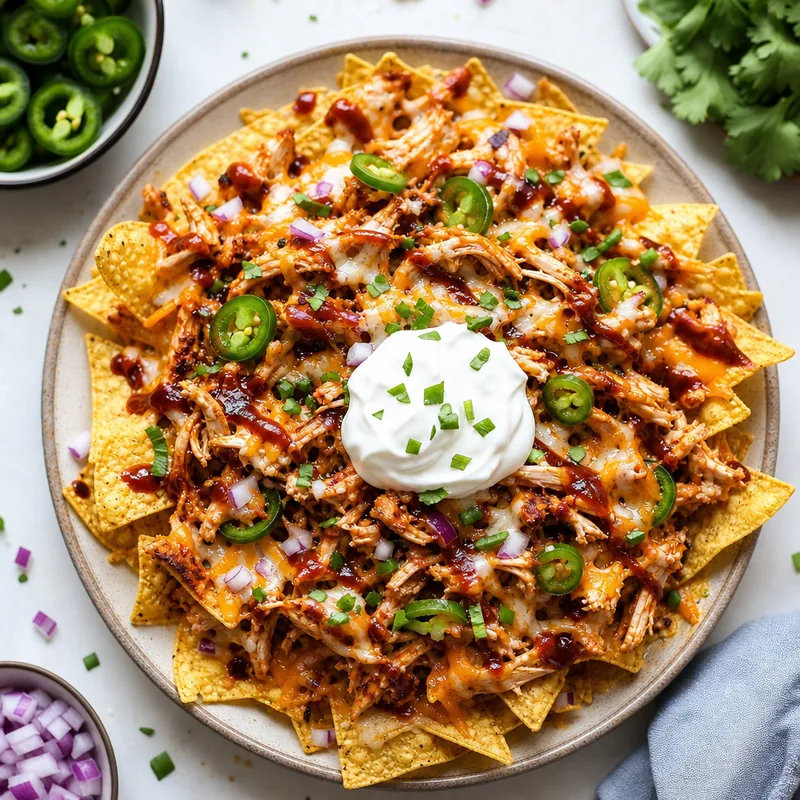
BBQ Chicken Nachos
15 min30g protein440 cal$2.00/serving
Crispy tortilla chips piled high with barbecue chicken, melted cheese, jalapeños, and cool sour cream, a shareable feast.
View the full recipe →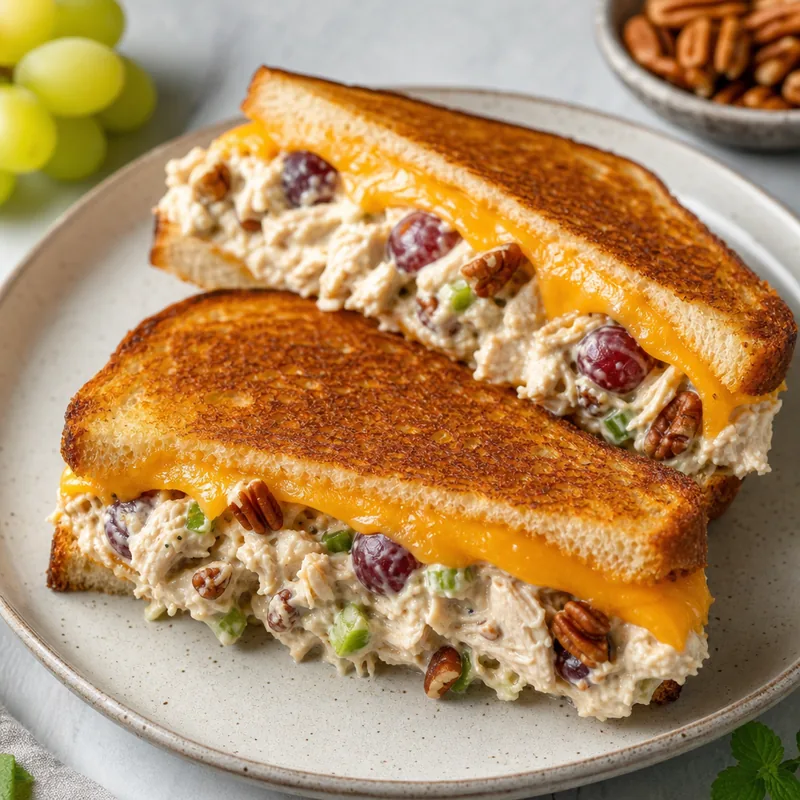
Chicken Salad Melts
20 min35g protein450 cal$2.60/serving
Creamy, crunchy chicken salad with pecans and grapes grilled between melted cheddar on soft bread, a deli classic at home.
View the full recipe →The full list is here: 10 things to make with leftover chicken. The same logic works for rice (fried rice, stuffed peppers, soup), for roasted vegetables (frittata, grain bowls, blitzed into soup), and for pasta (baked with cheese, or into a frittata as well).
Quick answers
How long do leftovers last in the fridge? Three to four days for most cooked food, at 40°F or below, per USDA guidance.
How long can cooked chicken stay in the fridge? Three to four days — including store-bought rotisserie chicken, timed from when you bring it home.
How long can food sit out? Two hours, or one hour above 90°F. The clock is cumulative and starts at the stove.
What temperature do leftovers need to be reheated to? 165°F throughout; soups and sauces to a rolling boil.
How long do leftovers keep in the freezer? Indefinitely safe at 0°F; best quality within two to six months.
Can you reheat rice? Yes, if it was cooled quickly and refrigerated within two hours.
The honest caveats
These are general food-safety guidelines from USDA and FoodSafety.gov, not medical advice, and they assume a refrigerator that actually holds 40°F — worth checking with a $6 fridge thermometer, because plenty don't. People who are pregnant, very young, older, or immunocompromised should be more conservative than the numbers above, not less. And "three to four days" is a safety ceiling, not a quality promise: most leftovers are simply better on day one.
Keep going
Every recipe in the Anychef library lists cost per serving, macros, and how many it serves — so you can see the leftovers coming before you cook. Browse the meal prep collection for dishes that are designed to reheat, or start from what's already in the fridge. The app will build tomorrow's dinner out of what's left of tonight's.