Meal Prep for One Without Eating the Same Thing Five Days Straight
Most meal prep advice assumes a family of four. Here's the component method for cooking once and eating five different dinners — with real per-serving costs from a 1,763-recipe catalog.
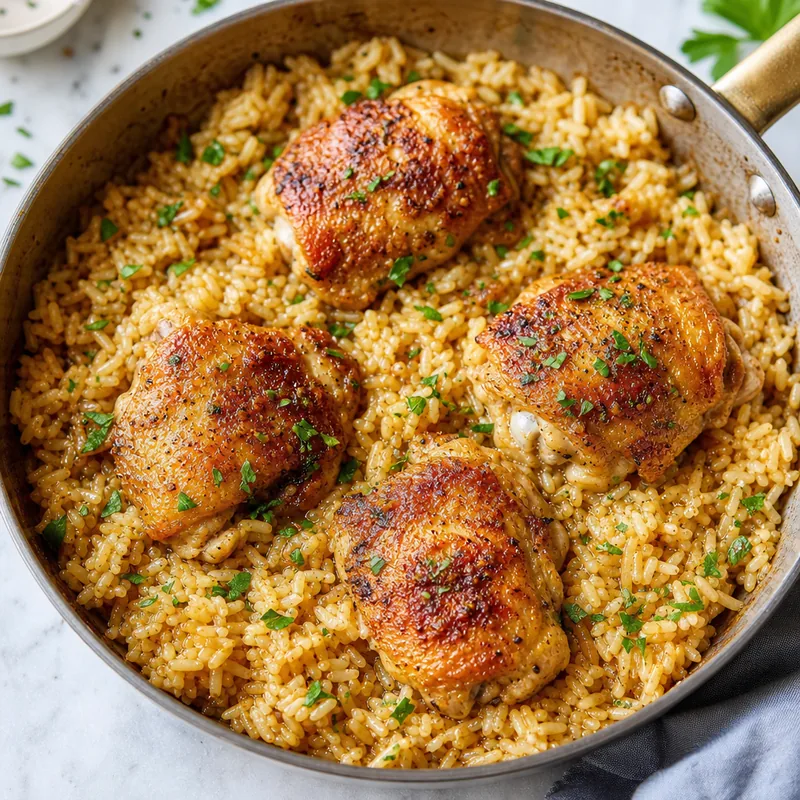
Meal prep advice is written for families, and for one person it produces the same failure every time: four identical containers, eaten twice, then abandoned by Wednesday. The fix isn't smaller portions. It's prepping components — one protein, one grain, two vegetables — and assembling a different dinner each night from the same three pots.
Anychef catalog data: 183 recipes in our library are meal-prep rated, at a median $2.10 a serving and 32g of protein. Notably, 111 of them are written for four servings. For a household of one, that's not four dinners — it's one cooking session and four assembly jobs.
Why cooking for one goes wrong
Three things break at a household of one, and none of them are about willpower.
Packaging is sized for four. Chicken comes in family packs, herbs come in bunches, and canned goods don't resize. Cooking a single portion means the rest of the package is now a countdown timer.
Repetition fatigue is real and fast. Most people can eat the same dinner twice and stop wanting it on the third night. A recipe that serves four, cooked as four finished dinners, exceeds that limit by definition.
The effort ratio is terrible. Twenty-five minutes of cooking and ten of cleanup for one plate feels absurd in a way it doesn't when you're feeding a table. Component prep amortizes that cleanup across four nights.
The component method
Cook four things on one evening or weekend afternoon. None of them is a finished meal; all of them are inputs.
- One protein, cooked plainly. Roast chicken thighs, a pound of browned ground beef or turkey, a tray of baked tofu, a pot of lentils. Season it with salt and nothing regionally specific — the moment you make it Thai, it can only be Thai.
- One grain or starch. A pot of rice, a box of pasta cooked al dente, roasted potatoes. Cooked grains reheat better than almost anything else in the fridge.
- Two vegetables, cooked differently. One roasted (holds four days, tastes good cold), one raw and cut (cabbage, carrots, cucumbers — the crunch you'll miss by Wednesday).
- One sauce. This is the component people skip, and it's the one doing the most work. A jar of salsa, a peanut-lime dressing, a garlic yogurt, a chili crisp. The sauce is what makes Monday's chicken taste unlike Tuesday's.
The rule: no component gets its final identity until the night you eat it.
Four dinners from one session
Roast chicken, rice, roasted broccoli, shredded cabbage, and two sauces. That's the shopping list. Here's the week:
| Night | Assembly | Added at the last minute | Minutes |
|---|---|---|---|
| Monday | Grain bowl — rice, chicken, broccoli, sauce | Nothing | 5 |
| Tuesday | Fried rice — rice and chicken in a hot pan | An egg, soy sauce | 10 |
| Wednesday | Wraps or tacos — chicken and cabbage | Tortillas, salsa, lime | 8 |
| Thursday | Soup — chicken, broccoli, broth | Stock, garlic, chili flakes | 15 |
Four dinners, one cooking session, one round of dishes. Nothing repeats, because the sauce and the format changed every night even though the protein didn't.
Stop at four days, not seven
Cooked chicken and cooked rice are good for three to four days refrigerated. A seven-day prep is either a food-safety problem or a freezer project, and freezer projects are a different skill with different recipes. Prep Sunday for Monday through Thursday and leave the back half of the week deliberately empty — a planned takeout night is cheaper than a forgotten container.
What to actually cook
The best starting recipes for component prep are the ones that already separate cleanly into protein plus starch plus vegetable — sheet pans, skillet bakes, and grain bowls. Anychef catalog data: 108 of our 183 meal-prep recipes deliver 30g of protein or more per serving, which matters more when you're eating leftovers, since protein is the thing that makes a reheated plate feel like a meal instead of a snack.
Browse the meal-prep collection for recipes rated to reheat well, or the high-protein set if you're prepping around a training schedule.
Or let the app do the assembling
The hardest part of component prep isn't the cooking — it's Wednesday, when you're staring at the same three containers and can't think of a fourth combination. That's the problem the Anychef app was built for: scan what's actually in the fridge, including last night's leftovers, and it returns recipes built from those exact ingredients, with macros and cost per serving. The containers stop being obligations and start being options.