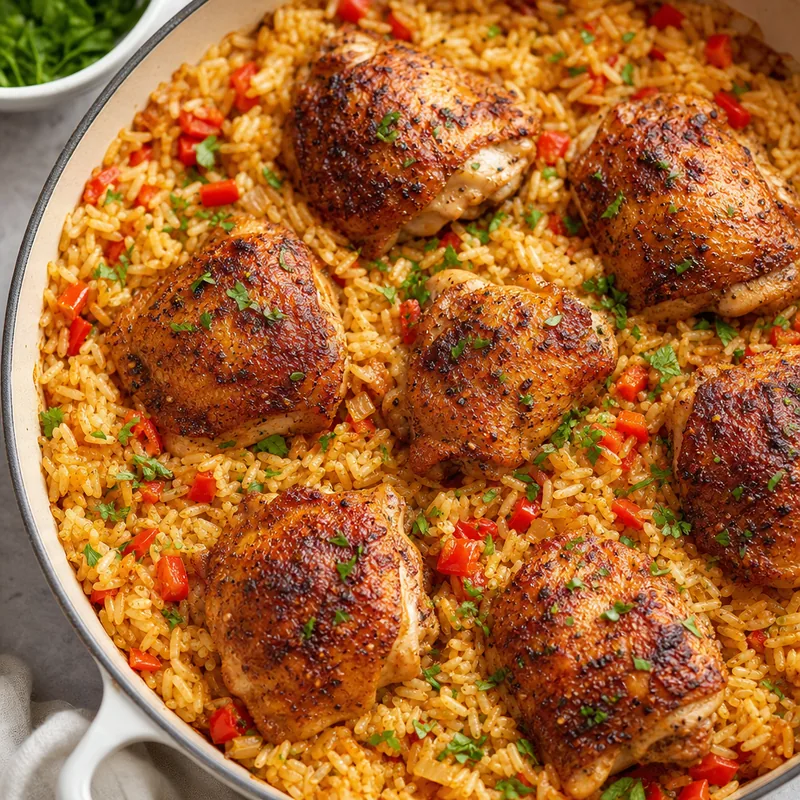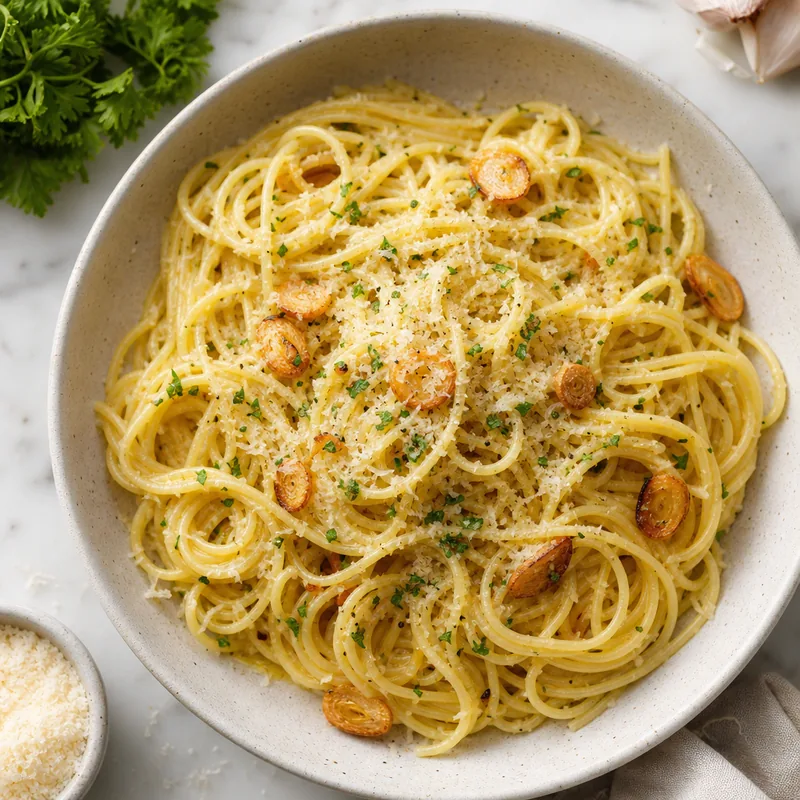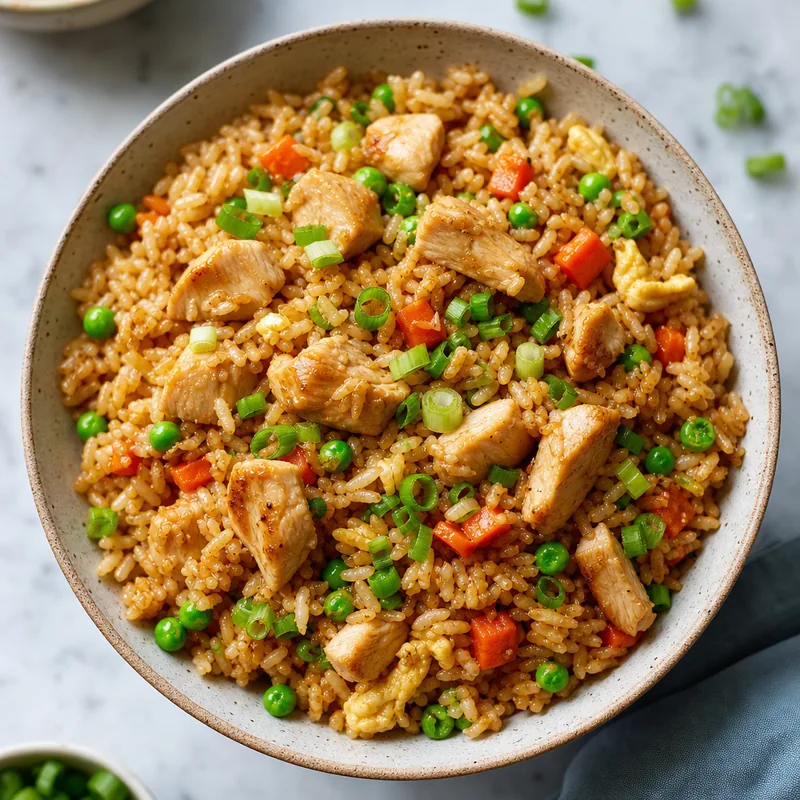
The School-Night Dinner Routine: 45 Minutes, Start to Table
A repeatable weeknight system for the 45 minutes between pickup and homework — what to decide on Sunday, what to cook, and the four dinner shapes that fit. With real cook times and costs.

The real school-night constraint isn't cooking time — it's that dinner has to happen inside a 45-minute window that also contains a backpack, a permission slip, and someone's missing shoe. The families who make this look easy aren't cooking faster. They've removed the decision.
Anychef catalog data: 627 of our 1,235 dinner recipes finish in 30 minutes or less, and 221 land under 20. Roughly half the catalog already fits a school night. The bottleneck was never the recipes.
Where the 45 minutes actually goes
Time yourself once and the shape of the problem becomes obvious. Pickup to front door: 10 minutes. Front door to anyone opening the fridge: 8, most of it spent on bags, snacks, and the first homework negotiation. Deciding what dinner is: 6 to 12 minutes, and this is the number that varies wildly. Cooking: 20 to 25. Sitting down: whenever the last of those finishes.
Cooking is the fixed cost and the deciding is the variable one — which means the leverage is entirely in the decision, not the stove.
Assign shapes, not recipes
Meal plans fail because they're brittle: five named recipes assume five predictable evenings, and the first cancelled practice or forgotten ingredient collapses the week. Assigning a shape to each night keeps the structure while leaving the specifics open.
| Night | Shape | Why it lands there | Typical |
|---|---|---|---|
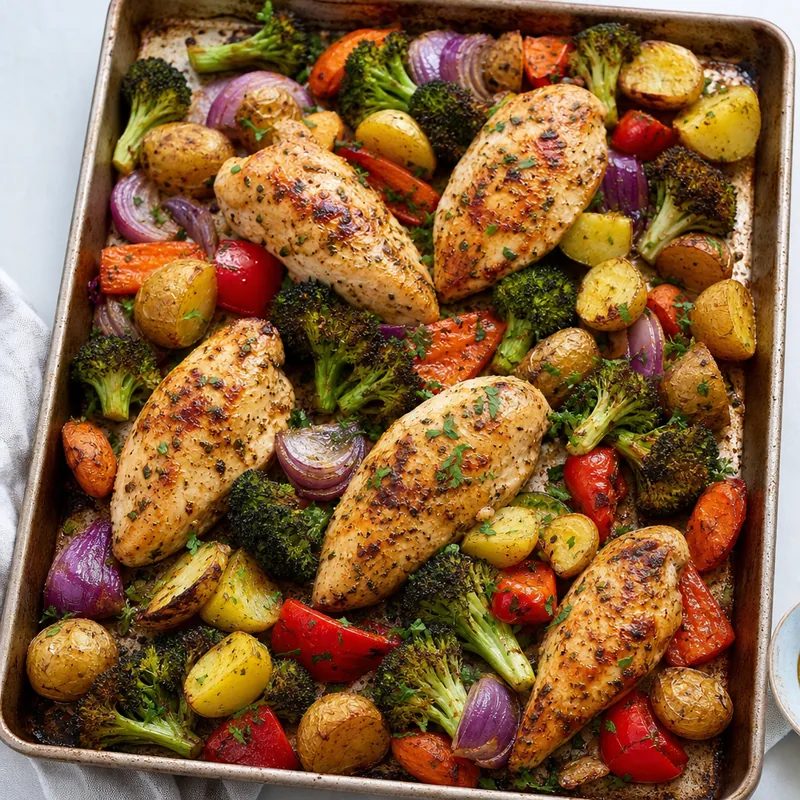
| Monday | Sheet pan | Hands-off — 10 minutes of work, 25 of oven you can ignore while homework happens | 30-40 min |
| Tuesday | Skillet | The fastest shape there is, for the most compressed evening of the week | 15-25 min |
| Wednesday | Leftovers, reformatted | Monday's pan reappears as a wrap, bowl, or quesadilla | 10 min |
| Thursday | Pasta or a bowl | Low-resistance, near-universally eaten, cheap | 20-30 min |
| Friday | Deliberately open | Planned takeout or breakfast-for-dinner beats a failed plan | — |
You still choose the recipe on the day, from whatever's in the fridge. But you're choosing within a category of six options instead of an open field of a thousand, and that's a 30-second decision rather than a ten-minute one.
The Sunday twenty minutes
One short session protects all five nights, and it isn't cooking:
- Buy the proteins for the shapes, not for named recipes — something roastable for Monday, something quick-cooking for Tuesday, something that stretches for Thursday.
- Wash and cut one vegetable now. The single highest-leverage 10 minutes of the week. Cut vegetables get used; whole ones rot in the drawer.
- Check that Thursday's pantry backup exists — a box of pasta, a jar of sauce, a can of beans. This is the night the plan usually fails.
Speed comes from the shape, not from rushing
The fastest weeknight dinners share a structure: one hot surface, one protein, one thing that browns, one sauce added at the end. Anychef catalog data: 221 dinners in our library finish in 20 minutes or less at a median $2.40 a serving, and 103 of those still deliver 30g of protein or more — speed and substance aren't in tension. What's slow is anything requiring two pans working on different timelines, or a preheat you forgot to start.
Start with everything under 20 minutes, the sheet-pan roster for Mondays, or dinners that survive a picky eater.
Skip the deciding entirely
The 6-to-12 minutes spent deciding is the part a system can genuinely delete. The Anychef app does it with a camera: scan the fridge on the way past it, and you get dinners built from what's actually in there — filtered by how long you have, with macros and cost per serving, and a grocery list for anything missing. On a school night, "what can we make right now" is the only question that matters, and it's the one the app is built to answer.