What to Use Instead: Substitutions for the 18 Ingredients Recipes Ask For Most
The ingredients recipes demand most often, ranked by how many of our 1,763 recipes call for them — and what to use when you don't have them, with ratios and the cases where the swap fails.
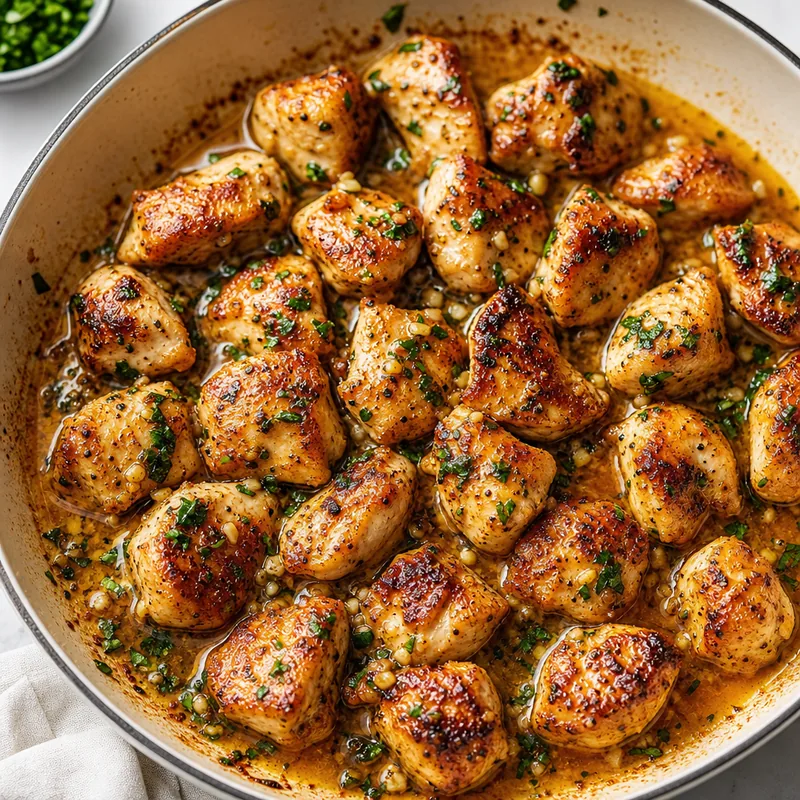
You're mid-recipe, you're missing one thing, and the internet's answer is "run to the store." Usually you don't have to. Most substitutions work if you know what the ingredient was doing in the first place — and know the handful of cases where swapping is genuinely a bad idea.
We ranked this guide by demand rather than opinion: these are the ingredients that appear most often across the 1,763 recipes in the Anychef catalog. Garlic alone is called for in 782 of them — 44% of everything we've priced.
The one question to ask first: is this ingredient providing flavor, structure, or moisture? Flavor swaps are forgiving. Moisture swaps usually work with a ratio adjustment. Structure swaps — the egg in a custard, the flour in a cake, the butterfat in whipped cream — are the ones that fail.
The savory base: garlic, onion, oil, butter
| Missing | In how many recipes | Use instead | Where it fails |
|---|---|---|---|
| Garlic | 782 | 1/8 tsp garlic powder per clove, or 1/2 tsp jarred minced | Raw uses — aioli, dressings, garlic bread |
| Olive oil | 624 | Any neutral oil 1:1; melted butter 1:1 for pan cooking | Finishing drizzles and vinaigrettes, where it is the flavor |
| Onion | 543 | Shallots, leek whites, or scallion whites 1:1; 1 tbsp onion powder per medium onion in a pinch | Anything built on caramelized onions — powder can't brown |
| Butter | 522 | 3/4 cup oil per 1 cup butter for sauteing and most quick breads | Laminated pastry, cookies, and pan sauces that rely on butter emulsifying |
The butter ratio surprises people: butter is roughly 15% water, so a straight 1:1 oil swap makes baked goods greasy. Cutting to three-quarters accounts for the difference.
The binders: flour and eggs
| Missing | In how many recipes | Use instead | Where it fails |
|---|---|---|---|
| All-purpose flour (thickening) | 270 | Half as much cornstarch, slurried in cold water first | Roux-based sauces and anything reheated repeatedly — cornstarch thins out |
| All-purpose flour (dredging) | — | Cornstarch or rice flour, 1:1 — both fry crisper | Bread and cake structure: no swap, gluten is doing the work |
| Eggs (as binder) | 258 | 3 tbsp aquafaba, or 1 tbsp ground flax + 3 tbsp water, per egg | Custards, meringues, souffles — the egg is the structure |
The dairy shelf
| Missing | In how many recipes | Use instead | Where it fails |
|---|---|---|---|
| Cheddar | 249 | Monterey jack, colby, young gouda — all melt the same way | Hard aged cheeses (parmesan, pecorino) seize instead of melting smoothly |
| Milk | 161 | Unsweetened plant milk 1:1; or water plus 1 tbsp butter per cup | Sweetened or vanilla plant milks in savory cooking |
| Parmesan | 154 | Pecorino (saltier — use about 3/4), grana padano 1:1, nutritional yeast at half for a vegan version | Anything where parmesan is a garnish and texture matters |
| Heavy cream | 136 | 3/4 cup whole milk + 1/4 cup melted butter per cup, for cooked sauces | Whipping — only real cream has the butterfat to hold air |
| Sour cream | 93 | Full-fat Greek yogurt 1:1 | Boiling — yogurt splits, so add it off the heat |
Flavor and seasoning
| Missing | In how many recipes | Use instead | Where it fails |
|---|---|---|---|
| Cumin | 223 | Equal parts coriander and paprika; or chili powder, which is mostly cumin already | Whole-seed uses where you want the pop |
| Soy sauce | 185 | Tamari 1:1 (gluten-free); coconut aminos at 1.5× (sweeter, less salty); fish sauce at half | Nothing much — this is one of the safest swaps on the list |
| Chicken stock | 153 | Water + bouillon; vegetable stock 1:1; or water plus a spoon of miso or soy for depth | Clear soups where the stock is the entire dish |
| Lemon juice | 131 | Lime 1:1; or white wine vinegar at half the amount | Recipes needing zest — the aromatic oils aren't in the juice |
| Scallions | 128 | Chives raw; thin-sliced red onion or leek greens when cooked | Garnish-forward dishes where the green color is the look |
| Sesame oil | 117 | Tahini thinned with neutral oil; or toasted sesame seeds crushed into oil | No real substitute for toasted sesame's aroma — use less of something else rather than faking it |
| Brown sugar | 108 | 1 cup white sugar + 1 tbsp molasses | Nothing — this one is essentially exact |
| Ginger | 93 | 1/4 tsp ground per 1 tbsp fresh, added earlier in the cook | Raw dressings and dipping sauces |
The four swaps that are never worth it
- Whipping anything that isn't cream. Milk-plus-butter cooks like cream but will not hold air.
- Replacing eggs in a custard or meringue. The egg is the structure, not an ingredient in it.
- Baking powder for baking soda, or the reverse. They're chemically different jobs; the recipe's acid balance decides which one works.
- Garlic powder in a raw preparation. It tastes dusty when it isn't cooked. Skip the garlic entirely and add lemon instead.
Keep going
If you're substituting because the recipe simply doesn't match your kitchen, the better move is to start from the other end: browse by what you already have — by ingredient, by ingredient pair, or through the budget collection. Or let the Anychef app do it: scan the fridge, and it builds recipes around what's actually in there, no substitution math required.